Is Nicotine a Drug? A Simple Guide
Nicotine is a substance that's highly addictive, even though it naturally exists in tobacco. When you take a puff of a cigarette, nicotine reaches your brain in just a few seconds, making you feel relaxed and more alert. That quick hit is why so many people find it hard to quit once they start smoking.
Why People Call Nicotine a Drug
Health organizations like the World Health Organization classify nicotine as a "psychoactive substance." It changes the way your brain works and can create dependence. If you stop using it, you might feel irritable, crave a smoke, or have trouble focusing-classic withdrawal symptoms.
The Rise of Disposable Vapes
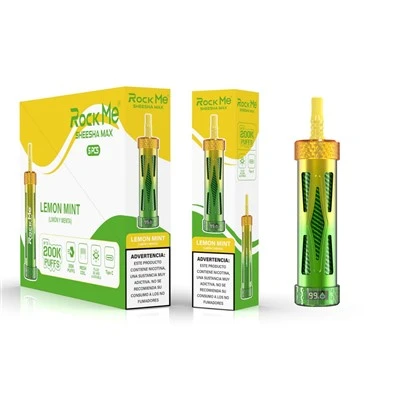
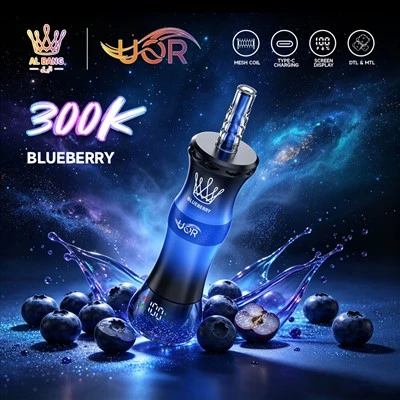
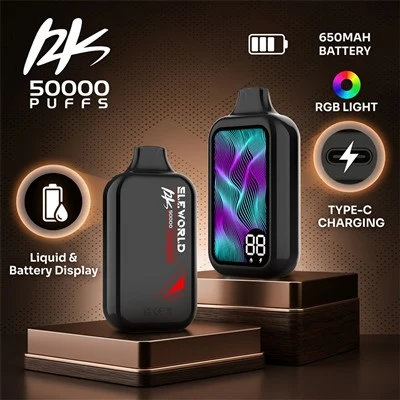
As more adults learn about the dangers of smoking, many turn to a disposable vape to manage nicotine intake. A disposable vape uses e-liquid that comes in different strengths, from nicotine-free to high levels. Because a disposable vape doesn't burn tobacco, it produces less tar and fewer harmful chemicals than regular cigarettes.
Health Tips and Cautions
Even though a disposable vape can seem like a cleaner option, any version with nicotine can still be addictive. Nicotine can raise your heart rate and blood pressure. Experts suggest using proven quit-smoking methods and professional support instead of relying only on a disposable vape or cigarettes.
Bottom Line
Yes, nicotine is a drug. A disposable vape might help some adults smoke less or control how much nicotine they take in, but the safest choice is to cut back gradually and eventually quit altogether.